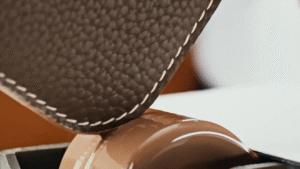
Is your beautiful leather bag starting to show its age? Don't let wear and tear diminish its charm, because maintaining its pristine look is simpler than you think.
Keeping your leather bag looking new involves regular cleaning, conditioning, and proper protection from the elements. This proactive care prevents common issues like cracking, fading, and staining, extending your bag's lifespan significantly.
Taking care of your leather bag is an investment, similar to how we invest in quality manufacturing at Junhao. Just as we ensure every stitch is perfect from development, the ongoing care you give your bag keeps it looking its best.
Why is Regular Cleaning Essential for Your Leather Handbag?
Are you wondering how to tackle that stubborn smudge or just keep dust away? Simple, consistent cleaning is the answer to maintaining your bag's aesthetic appeal and preventing damage over time.
Regular cleaning stops dirt and grime from building up, which can cause irreparable damage to the leather's surface. It removes abrasive particles and preserves the material's natural oils, keeping your bag supple and vibrant.
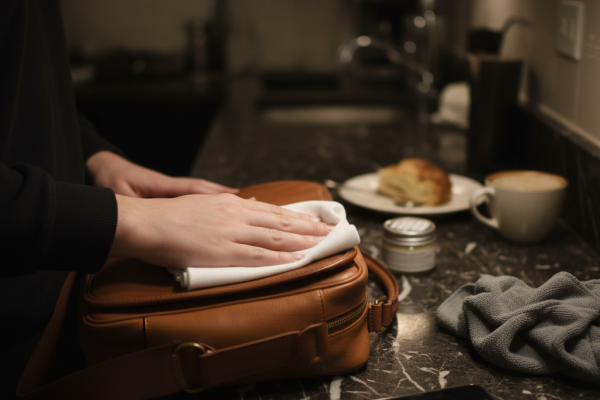
Maintaining the pristine condition of a leather bag often begins with proper cleaning. When I inspect the samples for our clients, I always impress upon them the importance of this first step. Just like a good design requires a solid foundation, a durable leather bag needs a clean surface to age gracefully. You must focus on targeted methods, using gentle products that respect the natural fibers of the leather. This approach helps lift away daily grime without stripping essential moisture.
What are the Best Cleaning Methods for Different Stains?
| Stain Type | Recommended Action |
|---|---|
| Everyday Dust | Wipe gently with a soft, dry cloth. This removes surface debris. |
| Tougher Stains | Use a specialized leather cleaner. Always patch test in a hidden area first. Apply with a soft cloth and wipe gently. |
| Oil Smudges | For light oil, a dry cloth might work. For more set-in oil, a leather cleaner is essential. |
At Junhao, we see our bags as products of enduring quality. This starts with how they are made and extends to how they are cared for after they leave our factory. Proper cleaning is not just about looks. It's about protecting the leather's integrity. For example, if you have a high-end full-grain leather handbag, using the wrong cleaner can strip its natural oils. This can lead to drying and cracking, which goes against everything we strive for in terms of durability. So, chose your cleaning products carefully. Always opt for pH-neutral formulas designed specifically for leather. This maintains the material’s balance and ensures a long life for your bag, just as we balance design and function in our manufacturing process.
How Can Conditioning Keep Your Leather Supple and Prevent Cracks?
Do you ever notice your leather bag looking a little dry or stiff? Just like our skin, leather needs regular moisturizing to stay soft and prevent those unsightly cracks from developing.
Conditioning leather regularly replenishes its natural oils, which prevents drying, cracking, and brittleness. It keeps the material supple, flexible, and looking new, extending the bag's aesthetic appeal and structural integrity.
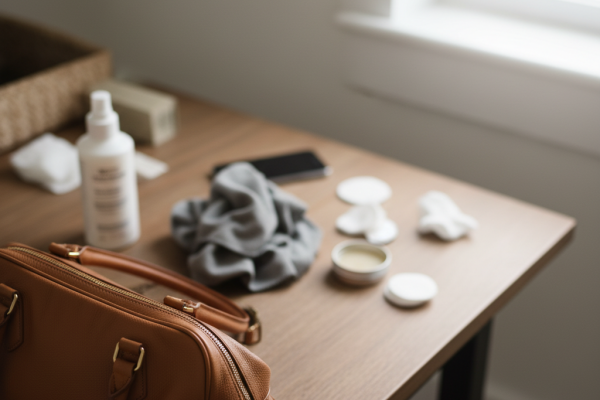
Conditioning is the secret weapon for anyone who truly loves their leather bags. In our workshop, when we work with premium leather, we handle it with the utmost care to maintain its natural suppleness. This same principle applies to aftercare. Think of conditioning as feeding the leather. It's an important step for bags made from various leather types, from rugged cowhide to delicate lambskin. Neglecting this step can make even the most robust leather brittle. It can also lead to premature aging. I often tell our partners that a well-conditioned leather bag reflects the care and quality put into it. It should remain soft and luxurious to the touch for years.
How Often Should You Condition Your Leather Bag for Optimal Results?
| Leather Type | General Conditioning Frequency | Notes |
|---|---|---|
| Common (Cowhide) | Every 2-3 months | Works well for everyday use bags. |
| Exotic/Delicate | More frequently (monthly) | These leathers might need more care. Monitor for dryness. |
| Infrequent Use | Less frequently (every 4-6 months) | If stored properly and not used often. |
When applying conditioner, a little goes a long way. Use a small amount of a high-quality leather conditioner. Then apply it evenly across the bag's surface with a soft, clean cloth. This ensures that the product penetrates deeply. It nourishes the leather from within. The goal is to allow the leather to fully absorb the nutrients over time, leaving it with a soft, natural finish. This process isn't just about making your bag look good. It creates a protective barrier. This helps repel moisture and minor stains. As handbag manufacturers with 18 years of experience, we understand material longevity. So we know that conditioning supports the leather's natural resilience. It helps your bag withstand the rigors of daily use. This makes it a cherished item for years to come. This is especially true for the type of high-quality products we specialize in at Junhao for our demanding clients.
How Can You Protect Your Leather Bag from Environmental Damage?
Are you worried about sunlight fading your bag or a sudden downpour ruining it? Protecting your leather bag from harsh environmental factors is important to maintain its value and appearance.
Protecting your leather bag involves keeping it out of direct sunlight, avoiding overly humid environments, and properly drying it if it gets wet. These actions prevent fading, cracking, mold, and severe damage.
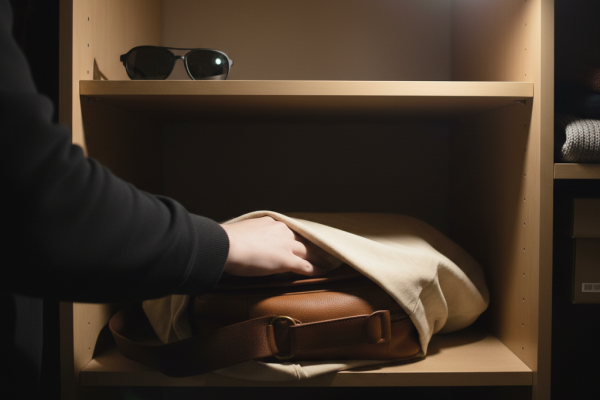
Protection is the final pillar of leather bag maintenance. It’s similar to how we protect our clients’ designs with strict confidentiality agreements. You must guard your bag against external threats. The environment can be surprisingly harsh on leather. Direct sunlight, extreme temperatures, and moisture are all enemies of a well-preserved leather bag. I always advise people to be mindful of where they place their bag, both at home and when out and about. Leaving a bag in a sunny window for too long is a common mistake. This can cause irreversible color fading and dry out the leather. I have actually seen valuable bags ruined this way. Protection is an important step to ensure longevity.
What are the Best Practices for Storing and Drying Your Leather Bag?
| Environmental Factor | Protective Action |
|---|---|
| Sunlight Exposure | Avoid direct sun for long periods. Store in a cool, dark place or dust bag. |
| Humidity/Dampness | Avoid overly humid or damp environments to prevent mold/mildew. Use a dehumidifier in storage if needed. |
| Wet Leather | Immediately blot with a dry cloth. Air dry naturally in a well-ventilated spot. Never use heat sources like hairdryers. |
| Storage | Store stuffed with tissue paper to maintain shape. Use a breathable dust bag. Avoid plastic bags. |
When it comes to wet leather, acting quickly is important. If your bag gets wet, blot the moisture immediately with a clean, dry cloth. Never try to speed up the drying process with heat. This includes hairdryers, radiators, or direct sunlight. Rapid drying can cause the leather to shrink, crack severely, and become brittle. Instead, let the bag air dry naturally in a well-ventilated area, away from direct heat. For long-term storage, always stuff your bag to help it keep its shape. Then place it in a breathable dust bag, not a plastic one. This allows proper air circulation. This prevents moisture buildup, which can lead to mold. At Junhao, we use only high-grade materials and precise manufacturing methods. This makes our bags inherently durable. However, even the best leather bags need careful protection to ensure they remain functional and beautiful for a lifetime.
Conclusion
Keeping your leather bag new involves consistent cleaning, conditioning, and protection. By following these steps, you ensure your bag stays beautiful and lasts for many years.